D involve consumption of energy. All of the following are features of the metabolism of surplus dietary carbohydrate in.
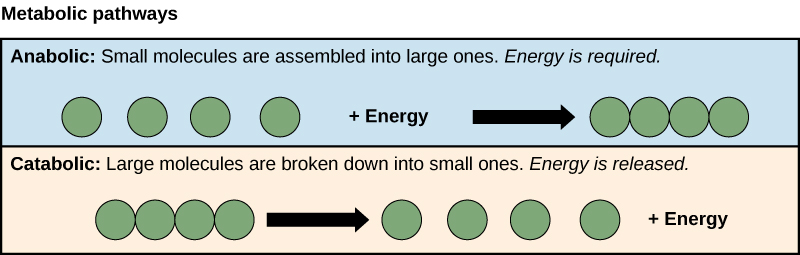
Anabolic And Catabolic Pathways Biology For Majors I
Cortisol - Stimulates gluconeogenesis.
. Pyruvate formation from glucose. Involve consumption of energy. Occur only in Course Hero.
The process is an exergonic process in which the energy is released due to the breaking of the bonds of the larger complex molecules. A feature of catabolic reactions is that they a. School Diablo Valley College.
Proteins being made through the process of translation. Lactose formation from glucose c. Gram positive bacteria making peptidoglycan to incorporate.
Which of the following is an example of a catabolic reaction. It is important to know that the chemical reactions of metabolic pathways dont take. A feature of catabolic reactions is that they involve release of energy What term is specific to reactions in which simple compounds are combined into more complex molecules.
C involve release of energy. They serve to generate energy. Which of the following is a catabolic reaction.
A feature of catabolic reactions is that they involve release of energy. Catabolic pathways are those that generate energy by breaking down larger molecules. Which of the following is an example of a catabolic reaction.
Which one of the following statements is NOT characteristic of catabolic reactions. There are many different kinds and examples of catabolism. Glycolysis the citric acid cycle the degradation of muscle protein in order to use amino acids as substrates for gluconeogenesis the degradation of fat in adipose tissue into fatty acids and the oxidative deamination by monoamine oxidase of neurotransmitters are instances of catabolic processes.
B occur only during loss of body weight. Released by the adrenal gland in response to stress. Hormones that stimulate catabolic reactions are also known as catabolic hormones.
ATP - ADP Pi. The catabolic processes are the reactions in which the large complex molecules are broken down to form the smaller molecules. Intracellular digestion refers to the breaking of the larger molecules.
C involve release of energy. The process is an exergonic process in which the energy is released due to the breaking of the bonds of the larger complex molecules. They often involve hydrolysis of macromolecules.
Cyanobacteria using the suns energy to synthesize glucose from carbon dioxide and water. Which of the following catabolic processes is the most efficient in ATP production in prokaryotes. The process is an exergonic process in which the energy is released due to the breaking of the bonds of the larger complex molecules.
Reuseable Catalysts All. Which of the following is an example of a catabolic reaction. Course Title NUTRI 160.
Which of the following is not a feature of enzymes. A occur only in mitochondria. Intracellular digestion refers to the breaking of the larger molecules.
AIEEE Bank Exams. A very good example is Glycolysis which involves the break down of Glucose while using O2 into CO2 and energy. The break down of glycogen is glucose and is a catabolic reaction.
Catabolic reactions or catabolism is a type of reaction that occurs in living organisms or living cells. It results in the breakage of large or medium molecules into smaller molecules. Both types of pathways are required for maintaining the cells energy balance.
Which of the following is an example of a catabolic reaction. Chap9PracticeQuiz 2 - Practice Quiz Chapter 9 1. Glycolysis is an example of a catabolic.
Palmitic acid formation from acetate. A feature of catabolic reactions is that they. Chap9PracticeQuiz 2 - Practice Quiz Chapter 9 1.
They are divergent processes in which a few precursors form a wide variety of polymeric products. All of the above. A feature of anabolic reactions is that they.
The catabolic processes are the reactions in which the large complex molecules are broken down to form the smaller molecules. What is an example of a catabolic reaction. A culture of Acetobacter is fermenting apples to produce apple cider vinegar.
Intracellular digestion refers to the breaking of the larger molecules. Involve release of energy. Intercellular digestion is the processes.
Anabolic pathways are those that require energy to synthesize larger molecules. Urea formation from an amino acid C. Glucose formation from glycerol B.
They often produce NADH or FADH2 C. Glucose formation from glycerol b. Albumin formation from amino acids D.
Correct option is D The catabolic processes are the reactions in which the large complex molecules are broken down to form the smaller molecules. ATP - ADP Pi CO2 water - glucose O2 ADP Pi - ATP Nucleotides - DNA.

Which Of The Following Is A Catabolic Reaction
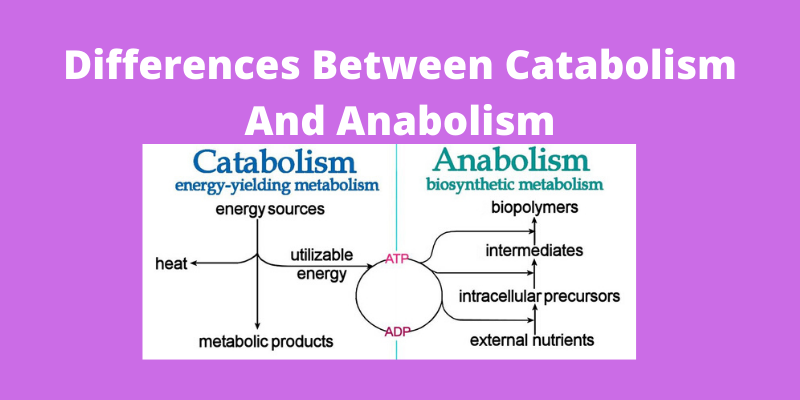
Differences Between Catabolism And Anabolism In Human Body
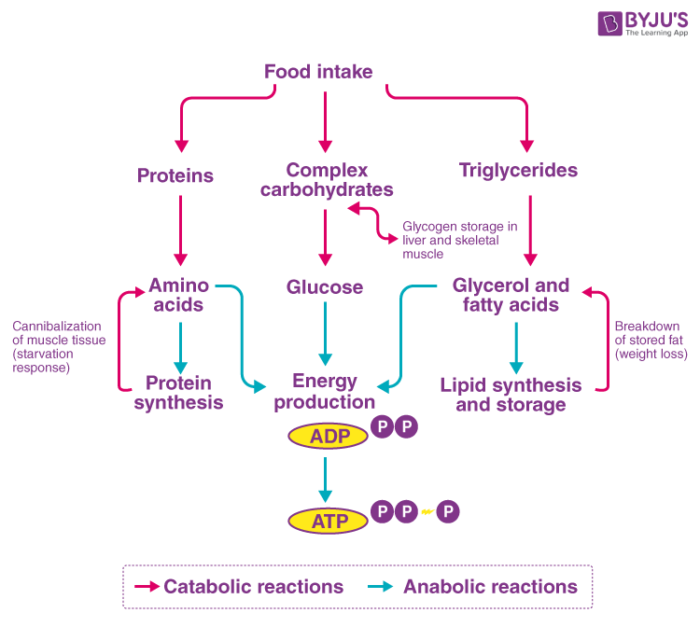
Catabolism Definition Metabolism Stages With Videos Examples

Overview Of Metabolic Reactions Anatomy And Physiology Ii



0 Comments